

CBT for procrastination is one of the most effective ways to break the cycle of avoidance and finally take action. I’m Zack Carter, and I work with people who are capable and motivated, yet feel stuck when it comes to starting important tasks. Procrastination is rarely about laziness. More often, it is driven by anxiety, perfectionism, or fear of failure.
As an experienced therapist, I use evidence-based cognitive behavioral therapy to help clients understand what is happening beneath the surface and build practical skills that actually work. In this article, I will walk you through how CBT for procrastination works, practical CBT exercises you can start using today, and when it’s worth seeking professional help.
Table Of Contents:
The Psychology Behind Procrastination (Why We Avoid What Matters)
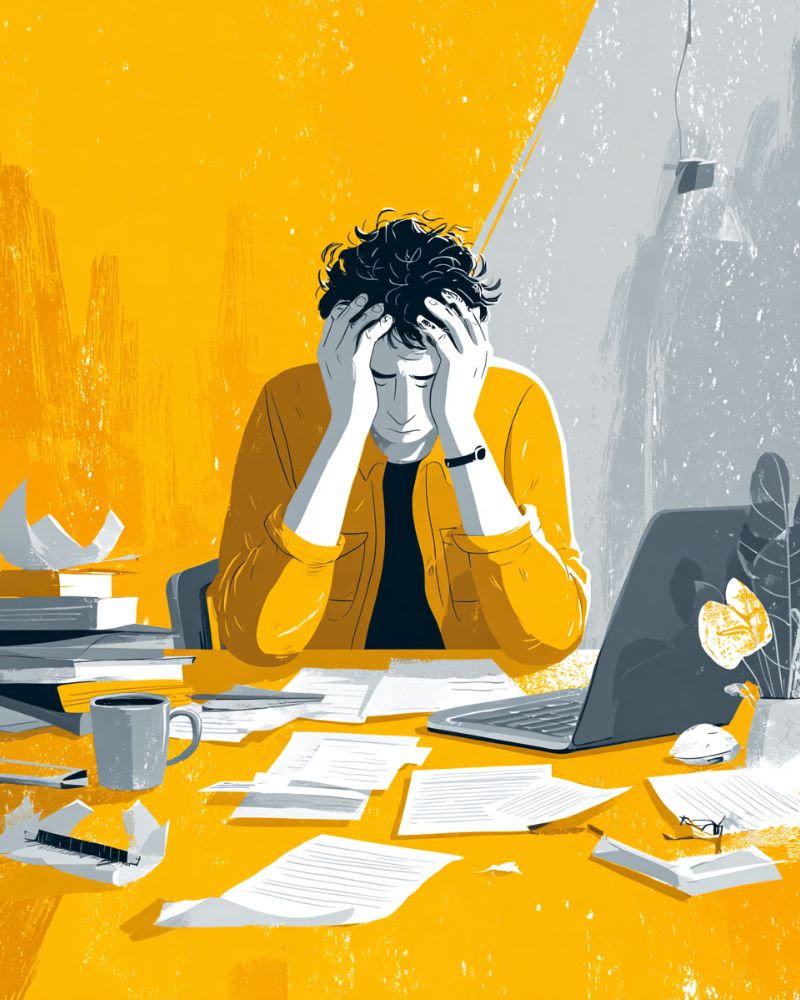
When I work with clients, I rarely see procrastination as a time management issue. I see it as an emotional issue. Procrastination usually shows up when a task triggers anxiety, pressure, or self-doubt.
Your brain wants relief from that discomfort. So you avoid the task. The moment you put it off, you feel better. That temporary relief reinforces the behavior. Over time, avoidance becomes a habit.
This is why CBT for procrastination focuses on thoughts and emotions, not just productivity tips. If we do not address what is happening beneath the surface, the cycle continues.
Procrastination is not laziness; it is often your brain trying to protect you from discomfort.
The Procrastination Cycle Explained
Task → Anxiety → Avoidance → Temporary Relief → More Guilt → More Avoidance
This is the cycle I see again and again.
A task triggers anxiety. Thoughts like “This is too much” or “What if I fail?” show up. To reduce that discomfort, you avoid the task. You feel temporary relief, which teaches your brain that procrastination works.
Later, guilt sets in. The task now feels even heavier, which leads to more anxiety and more avoidance.
CBT for procrastination works by interrupting this loop. Instead of moving automatically from anxiety to avoidance, I help clients pause, challenge their thoughts, and take intentional steps forward.
Common Causes of Procrastination
Anxiety
Starting feels stressful, so avoidance feels safer.
Perfectionism
If it cannot be done perfectly, it feels easier not to begin.
Fear of failure
Avoiding the task protects you from the risk of failing.
ADHD traits
Difficulty with focus will make getting started hard.
Burnout
Being mentally exhausted, even simple tasks feel overwhelming.

CBT for procrastination works by targeting the two main drivers of avoidance: unhelpful thinking and unhelpful behavior patterns.
1. Changing unhelpful thoughts
Before procrastination happens, certain automatic thoughts usually show up. “This is too overwhelming.” “If I cannot do it perfectly, there is no point.” “I work better under pressure.”
CBT helps clients slow these thoughts down and examine them. We look at the evidence, identify thinking traps, and replace extreme beliefs with more balanced ones. When your thoughts become more realistic, the task feels less threatening and easier to approach.
2. Changing avoidance behaviors
We then focus on action; we do not wait for motivation to appear. We create small, specific action steps and schedule them intentionally. Starting with something manageable builds momentum and reduces anxiety over time.
As clients practice both of these skills, their brain begins to relearn the pattern. Instead of moving automatically from anxiety to avoidance, they pause, adjust their thinking, and take action anyway. That is how CBT for procrastination helps break the cycle and create lasting change.
CBT Techniques for Procrastination
When I use CBT for procrastination in sessions, I focus on practical tools that clients can apply immediately. These techniques are simple, but when used consistently, they are powerful.
Cognitive Restructuring
Cognitive restructuring is about identifying and challenging the thoughts that fuel avoidance.
Before procrastination happens, certain automatic beliefs usually show up. They tend to be extreme, self-critical, or fear-based. I help clients slow those thoughts down, examine their accuracy, and replace them with more balanced and realistic thinking.
When your thoughts shift, the emotional intensity around the task decreases, which makes action easier.
Behavioral Activation
Behavioral activation focuses on action first.
Instead of waiting to feel motivated, I encourage clients to start small. Five focused minutes are often enough to break inertia. Once you begin, momentum builds, and anxiety decreases.
CBT for procrastination works because action changes emotion more often than emotion changes action.
Activity Scheduling
Vague intentions lead to delay. “I’ll do it later” rarely works.
In CBT, we schedule tasks at specific times. For example, “Thursday at 9 am, work on project for 20 minutes.” This reduces decision fatigue and increases follow-through.
Structured planning is one of the most practical CBT exercises for procrastination.
Breaking Tasks into Smaller Steps
Large tasks trigger overwhelm.
Instead of “Finish report,” we break it down into small, manageable steps such as “Write outline,” or “Draft first paragraph.”
This reduces anxiety and makes starting feel achievable. Small wins matter.
Behavioral Experiments to Challenge Perfectionism
Perfectionism often keeps people stuck.
In CBT for procrastination, we intentionally test rigid beliefs about performance and standards. By gathering real-world evidence, clients learn that their fears are often exaggerated. This weakens perfectionism and reduces the urge to avoid.
Practical At-Home CBT Exercises For Procrastination

If you want to start applying CBT to reduce procrastination on your own, there are a few simple exercises I often recommend. These are not complicated, but they are effective when practiced consistently.
1. Thought Awareness Exercise
Write down the task you are avoiding. Then list the thoughts that come up when you think about starting. Notice any patterns. Are they overly negative, perfectionistic, or fear-based? Simply identifying these thoughts is the first step in CBT for procrastination.
2. Five Minute Rule
Commit to working on the task for just five minutes. Set a timer and begin. The goal is not to finish. The goal is to start. This small shift often reduces resistance and builds momentum.
3. Task Breakdown Sheet
Take one overwhelming task and break it into the smallest possible steps. Write each step down clearly. Focus only on the first step, not the entire project.
4. Scheduled Action Block
Choose a specific time in your calendar for one task. Treat it like an appointment. This structured approach is one of the most practical CBT exercises for procrastination because it reduces ambiguity.
5. Discomfort Tolerance Practice
When anxiety shows up, pause and notice it without immediately escaping. Remind yourself that discomfort is temporary. Learning to tolerate mild anxiety is a key part of CBT for procrastination.
These exercises are a starting point. If you practice them regularly, you will begin to interrupt the avoidance pattern and build confidence through consistent action.