

Compulsive Sexual Behavior Counseling and Treatment
If you’re reading this, chances are you’re struggling, or someone you care about is struggling with something that’s hard to talk about. I want to say right away, you’re not alone, and there is real, proven help available. At Lion Counseling, we’ve supported clients through 1000’s of therapy sessions, helping people break free from harmful cycles and reclaim their lives. One area we work with often is compulsive sexual behavior counseling.
It’s something many people silently carry, filled with shame or fear of judgment. But counseling doesn’t have to be scary, it can be the start of healing.
This blog will walk you through what compulsive sexual behavior looks like, what causes it, the treatment options available, and how counseling can actually help you build a life you’re proud of.
Table Of Contents:
Understanding Compulsive Sexual Behavior
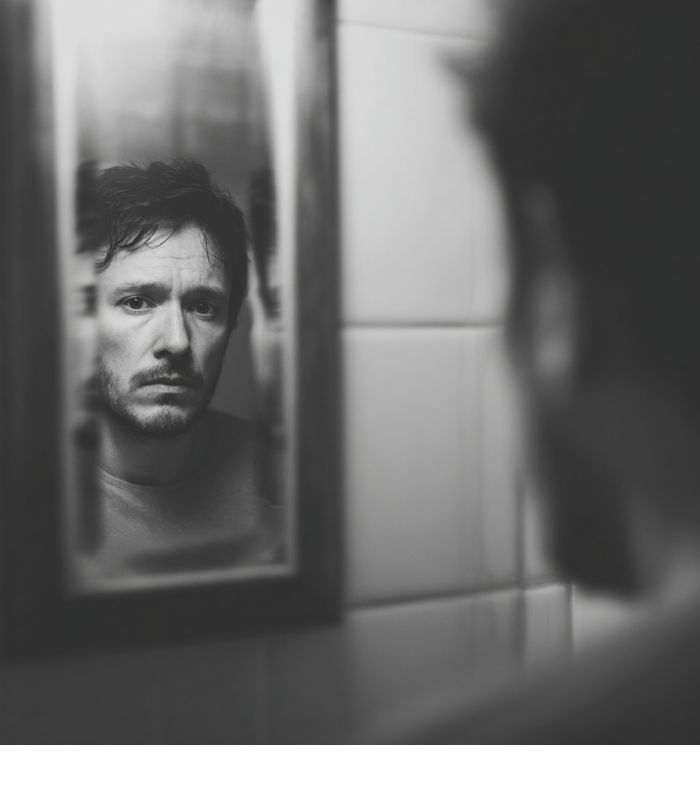
When I first sit down with clients for compulsive sexual behavior counseling, I often hear confusion and self-doubt. Many people aren’t sure if what they’re experiencing is truly compulsive, or if they’re just struggling with a “bad habit.” This will help you better understand what compulsive sexual behavior actually is, what it looks like, and why it might be showing up in your life.
What Counts as Compulsive Sexual Behavior?
In my experience offering compulsive sexual behavior counseling, it’s not about how often you think about sex, it’s about control. If sexual urges or behaviors feel impossible to stop, cause distress, or lead to negative consequences, they may be compulsive.
This can include things like excessive pornography use, risky encounters, or breaking promises to stop. If you’ve tried to quit but keep going back, counseling can help you break the cycle.
Common Signs and Symptoms
Here are a few red flags I’ve seen again and again in my sessions:
-
Feeling out of control with sexual urges or behavior
-
Spending more time than intended on sexual activities (online or in-person)
-
Using sex to cope with boredom, anxiety, loneliness, or stress
-
Struggling with guilt, shame, or secrecy after acting out
-
Repeated failed attempts to cut back or stop
-
Damaged relationships, jobs, or self-worth due to sexual behavior
These symptoms aren’t about weakness; they’re about unmet emotional needs and learned patterns that need healing, not punishment. With the right compulsive sexual behavior treatment, it’s possible to regain control and build something healthier.
What Causes Compulsive Sexual Behavior?
One of the first things I explore with clients in compulsive sexual behavior counseling is why the behavior started in the first place. It’s rarely just about sex. More often, it’s about pain, stress, or unresolved emotions hiding underneath the surface.
In many cases, compulsive sexual behavior begins as a way to cope with anxiety, trauma, rejection, loneliness, or even boredom. Over time, the brain starts to link sexual behavior with temporary relief or escape, reinforcing the cycle. For some, early exposure to sex or pornography, emotional neglect, or inconsistent boundaries during childhood can play a role. For others, it may be tied to a lack of healthy emotional regulation tools in adulthood.
Understanding these root causes is a key part of compulsive sexual behavior treatment. It allows us to move beyond surface-level control and begin healing what’s underneath. That’s where real, lasting change happens.
Compulsive Sexual Behavior Treatment Options

When someone reaches out for compulsive sexual behavior counseling, they’re usually looking for more than just a quick fix. They want real tools, real support, and a path forward that actually works. That’s exactly what I aim to provide.
There’s no one-size-fits-all approach, but here are some of the compulsive sexual behavior treatment options I often use in sessions:
-
Individual Counseling: This is the core of the work. Together, we explore what’s driving the behavior and create a safe, judgment-free space to unpack it.
-
EMDR Therapy: If past trauma is playing a role, EMDR can be powerful in helping the brain reprocess those memories so they don’t keep triggering the same patterns.
-
Cognitive Behavioral Therapy (CBT): CBT helps identify the thoughts and beliefs that fuel compulsive urges and teaches practical strategies to interrupt the cycle.
-
Relapse Prevention Planning: I’ll help you build a plan that actually works in real life, handling triggers, managing setbacks, and staying grounded.
-
Referrals to Support Groups: Some clients benefit from 12-step programs or group therapy to feel less alone and stay accountable.
The goal of this treatment and counseling isn’t just to stop the behavior, it’s to help you build a life where you no longer need it to feel okay.
Why Counseling for Compulsive Sexual Behavior Works
Why does it work? Because counseling isn’t just about stopping behavior, it’s about understanding what’s driving it. We get to the root of what’s really going on: the emotional pain, the unmet needs, the old wounds that haven’t healed. Once we bring those things into the light, they lose their power.
In counseling, you don’t have to pretend. You don’t have to carry it alone. You get tools to manage urges, space to talk honestly, and support from someone who’s not judging you, but helping you move forward. This is the kind of work that creates deep, lasting change. And that’s why compulsive sexual behavior treatment through counseling is so effective.
What to Expect in Counseling Sessions
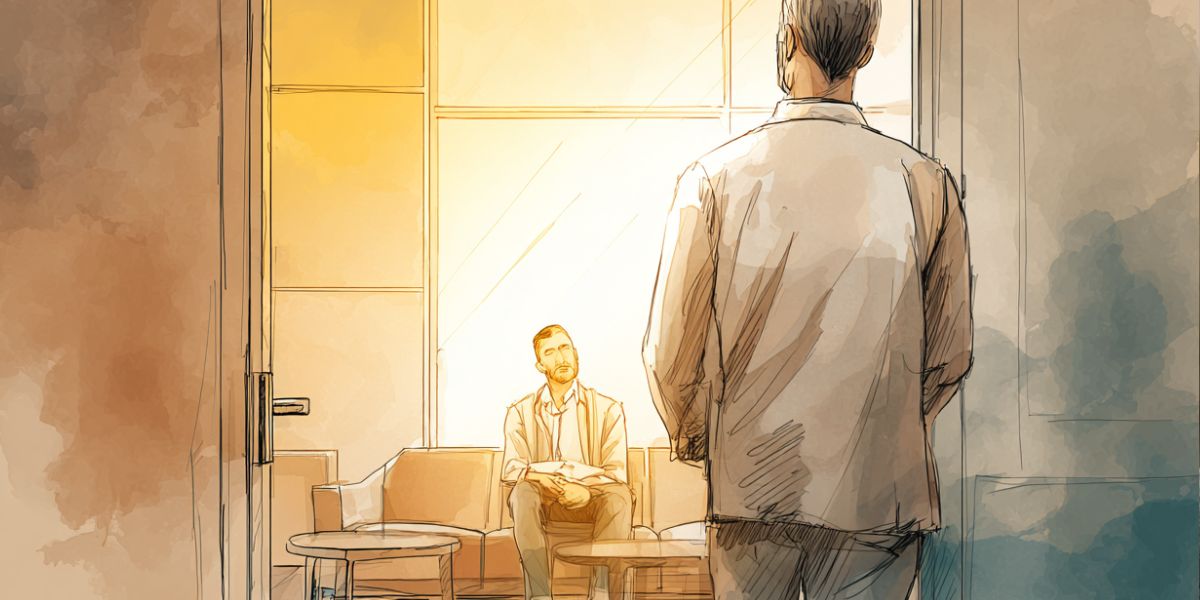
Starting compulsive sexual behavior counseling can feel intimidating, I get that. Most of the clients I work with aren’t sure what to expect at first, and that’s completely okay. My goal is to create a space where you feel safe, heard, and never judged.
In our first session, we’ll talk about what’s been going on and what you’d like to change. You don’t need to have all the answers, just being open is enough. As we continue, we’ll start identifying patterns, exploring triggers, and working through the deeper issues that may be driving your behavior.
I’ll also give you practical tools to help manage urges, build emotional awareness, and make real progress between sessions. Every person is different, so every treatment plan is tailored to you. Whether you’re dealing with trauma, anxiety, or just feeling stuck, we can provide the structure and support to move forward.