
BREAK FREE FROM THE CYCLE WITH CBT FOR PORN ADDICTION
CBT stands for Cognitive Behavioral Therapy, and it’s one of the most effective treatments for breaking behavioral addictions like porn use. At its core, CBT is about identifying the unhelpful thoughts and emotional triggers that lead to unwanted behavior, then challenging and changing them.
In pornography therapy, we won’t just talk about what’s not working. We’ll figure out why it’s happening and create new, healthier patterns together. If you find yourself reaching for porn when you’re anxious, bored, lonely, or stressed, CBT helps you recognize those moments and gives you tools to respond differently.
CBT is practical, it works, and as an experienced therapist with over 15,000 sessions, I’ve seen it help countless people reclaim their self-respect, relationships, and peace of mind.
Table Of Contents:
What is CBT and How Does it Help with Porn Addiction
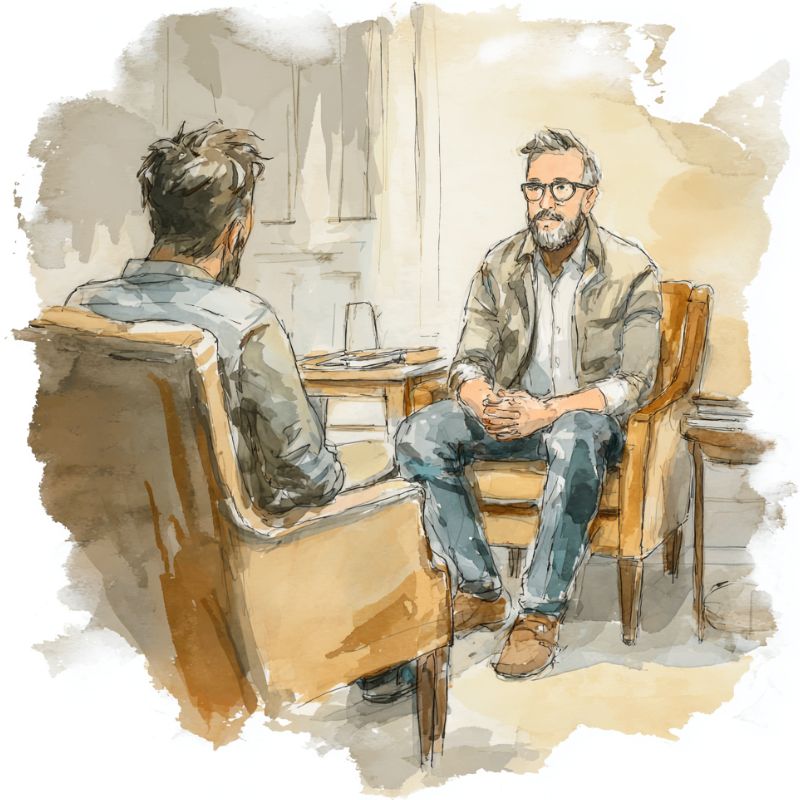
CBT for porn addiction is one of the most effective tools I use to help clients break unwanted patterns. It focuses on identifying the thoughts and triggers that lead to porn use and changing them.
Instead of just trying to stop the behavior, CBT helps you understand what’s driving it. Stress, boredom, shame, or habit, whatever the causes, we work together to interrupt that cycle with healthier strategies.
If you’ve tried to quit and keep falling back, you’re not alone. CBT for porn addiction gives you a clear, structured path forward and real tools to create change!
Common Signs of Porn Addiction
One of the most common things I hear from clients is, “I didn’t realize it had become a problem until it started affecting other parts of my life.” CBT for porn addiction starts with awareness, and that means recognizing the signs that your porn use may have crossed into addiction.
Here are some of the most common red flags I see in my practice:
-
You’ve tried to stop but can’t seem to stick with it
-
You feel shame, guilt, or anxiety after viewing
-
You hide your usage from your partner or others
-
Porn is interfering with your work, relationships, or goals
-
You need more extreme content over time to feel the same effect
-
You use porn to escape stress, loneliness, or emotional discomfort
-
It feels compulsive, like something you “have” to do, not just want to
If you see yourself in any of these, you’re not broken and you’re not alone. These signs are your brain’s way of saying it’s time for change. And that’s exactly what CBT for porn addiction is designed to help with.
What Causes Pornography Addiction?

Porn addiction starts as a way to cope with something deeper, stress, anxiety, loneliness, boredom, trauma, or even a sense of emptiness. Over time, what starts as a quick escape can turn into a habit that’s hard to break.
With CBT, we don’t just focus on stopping the behavior, we look at what’s underneath it. What are the triggers? What thoughts or emotions come up before the urge? What pain are you trying to numb or avoid?
Sometimes it’s about unresolved wounds from the past. Other times, it’s a result of isolation, perfectionism, or lack of connection. Whatever the cause, we work together to understand the “why” behind your patterns, and create healthier ways to respond. CBT for porn addiction is designed to help you get there.
Negative Effects of Porn Addiction
Most clients come to me not just because they’re using porn, but because of what it’s doing to their life. Here are some of the most common negative effects I’ve seen:
-
Strained relationships and loss of trust
-
Decreased emotional or physical intimacy with a partner
-
Feeling isolated, ashamed, or disconnected
-
Trouble concentrating or staying motivated
-
Increased anxiety, depression, or low self-worth
-
Needing more extreme content to feel the same effect
-
Conflicted spiritual or moral beliefs
These effects can slowly build up over time until things feel out of control. The good news? You can reverse them. With the right support and tools, like those offered through CBT for porn addiction, healing is absolutely possible.
Porn Addiction Treatment

There’s no one-size-fits-all solution when it comes to overcoming porn addiction, but one approach I’ve seen work again and again is CBT. It’s structured, practical, and focuses on helping you understand and change the patterns that are keeping you stuck.
In our sessions, we’ll explore your triggers, identify unhealthy thought loops, and develop healthier ways to respond. Whether you’re dealing with a long-term struggle or a more recent habit, therapy can give you the tools, insight, and support you need to move forward.
Benefits of CBT for Porn Addiction
-
Gives you real tools to manage urges and stay in control
-
Helps you identify and change harmful thought patterns
-
Reduces shame and builds self-awareness
-
Addresses emotional and psychological triggers
-
Strengthens emotional resilience and self-discipline
-
Encourages long-term, sustainable change
-
Can be tailored to fit your faith and values if desired
With CBT for porn addiction, you’ll have a clear plan and a partner in the process — someone who understands and is here to help, not judge.
Ready to Break Free?
If you’ve made it this far, something in you is ready for change. Maybe you’ve tried to quit before and felt stuck. Maybe you’ve been carrying guilt or shame for years. Or maybe you’re just tired of feeling out of control.
Whatever brings you here, I want you to know there’s a way forward. You don’t have to live with secrecy, frustration, or self-doubt any longer. CBT for porn addiction is a proven, step-by-step path to healing, and I’d be honored to walk it with you.
Book a Free Consultation Today
I offer a free 20-minute consultation so we can talk about where you’re at, what your goals are, and whether CBT for porn addiction is the right fit for you.
No pressure. No judgment. Just a real conversation with someone who’s here to help.